
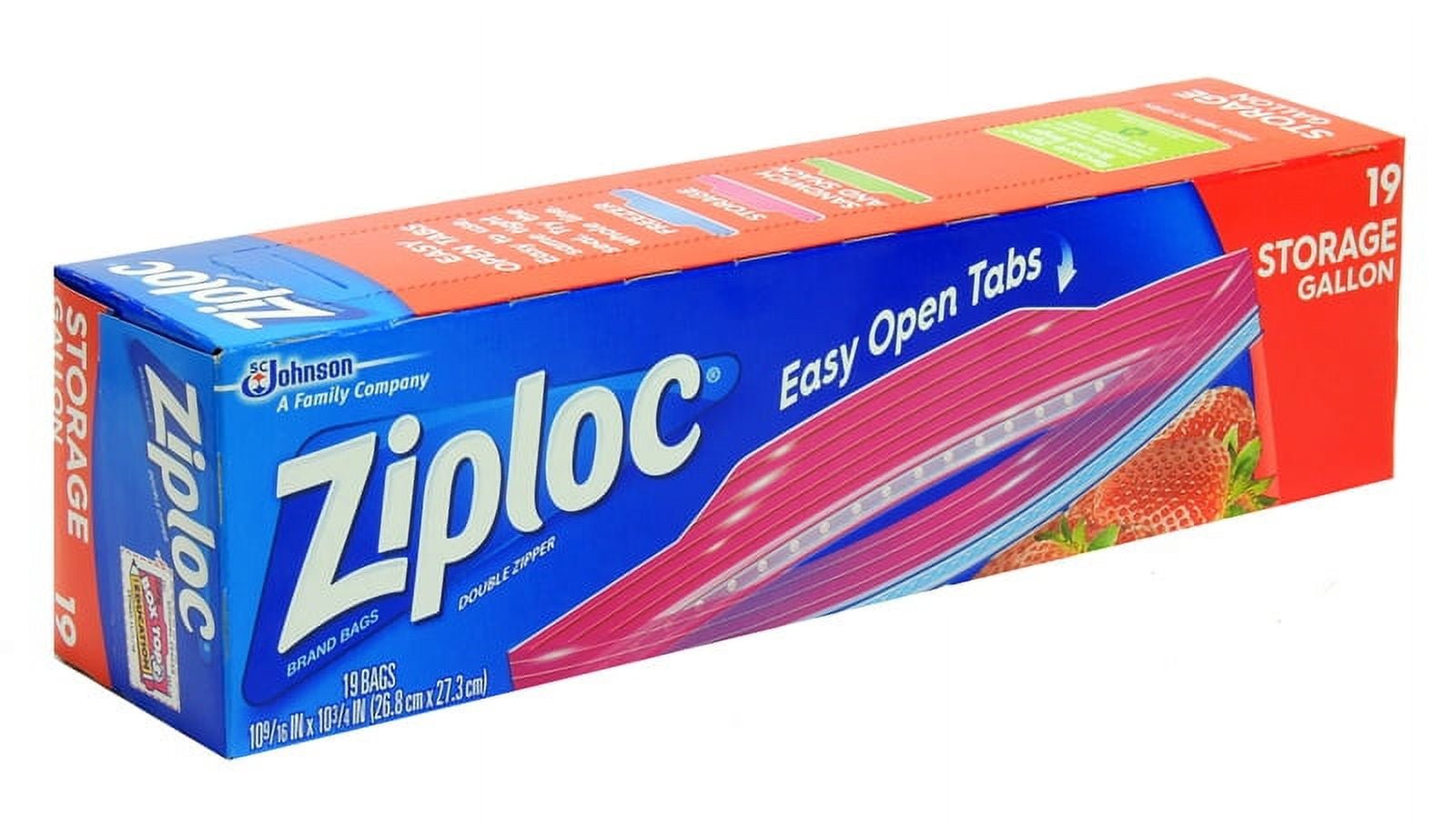
Ziploc, a household name in food storage, has built its reputation on resealable plastic bags and containers since the late 1960s. The brand’s trademark status and product evolution reflect decades of innovation in kitchen and household storage solutions.
Current Status and Recent Developments for Ziploc Brand Marque
Ziploc remains one of the most recognized names in resealable storage products worldwide. The brand operates under SC Johnson, a family-owned company headquartered in Racine, Wisconsin. In recent years, Ziploc has expanded its product line beyond traditional sandwich bags to include freezer bags, storage containers, and specialty products designed for specific uses such as marinating and vacuum sealing. The company has also made efforts to address environmental concerns by introducing products made with recycled materials. Ziploc continues to hold strong trademark protections across multiple jurisdictions, ensuring that the brand name and distinctive packaging remain legally protected. The brand’s presence in retail stores remains consistent, with products available in grocery chains, mass retailers, and online marketplaces globally. Für zusätzlichen Hintergrund erklärt Ziploc: Everyday Food Storage Bags & Containers | SC Johnson das Thema ausführlicher
Common Misconceptions About Ziploc Brand Marque Clarified
One widespread misconception is that Ziploc invented the resealable plastic bag. In reality, the technology behind resealable closures existed before Ziploc’s commercial launch. What Ziploc did was refine and popularize the concept for household use. Another common misunderstanding involves the brand’s name itself. Some consumers assume „Ziploc“ is a generic term for any resealable bag, much like „Kleenex“ is sometimes used for any tissue. There is also confusion about the brand’s environmental impact. While Ziploc bags are made from plastic, the company has taken steps to reduce its footprint through recycling initiatives and material innovations. Understanding these distinctions helps consumers make informed choices about the products they purchase.
Background and Origin Story of Ziploc Brand Marque
Ziploc’s story begins in 1968, when the Dow Chemical Company introduced the first Ziploc bag to the American market. The product featured a innovative sliding zipper closure that allowed consumers to seal and reseal plastic bags with ease. This was a significant advancement over existing storage methods, which typically relied on twist ties or folding. The brand quickly gained popularity due to its convenience and reliability. In 1972, SC Johnson acquired the Ziploc brand from Dow Chemical, integrating it into its portfolio of household products. Under SC Johnson’s ownership, Ziploc expanded internationally and diversified its product offerings. The brand’s distinctive yellow and blue packaging became a familiar sight in kitchens across the United States and eventually around the world. Over the decades, Ziploc has maintained its position as a market leader in resealable storage, adapting to changing consumer needs and preferences.
What Is Publicly Confirmed vs What Remains Unverified
The brand was launched in 1968 by Dow Chemical. SC Johnson acquired it in 1972. Ziploc products are manufactured in various facilities and distributed globally. The brand’s association with SC Johnson is a matter of public record. However, some details about the brand’s internal operations and future product plans remain unverified. Specific sales figures for individual product lines are not publicly disclosed. The exact timeline for upcoming product launches is typically kept confidential until official announcements are made. Consumers and researchers should rely on official company communications for the most accurate and up-to-date information.
| Fakt | Details |
|---|---|
| Markenname | Ziploc (eingetragene Marke) |
| Erstveröffentlichung | 1968 durch Dow Chemical |
| Aktueller Eigentümer | SC Johnson |
| Hauptsitz des Eigentümers | Racine, Wisconsin, USA |
| Produktkategorien | Wiederververschließbare Beutel, Gefrierbeutel, Aufbewahrungsbehälter |
Frequently Asked Questions
Wie viele Produktlinien bietet Ziploc aktuell an?
Ziploc bietet mehrere Produktlinien an, darunter klassische Sandwich-Beutel, Gefrierbeutel in verschiedenen Größen, Aufbewahrungsbehälter und Spezialprodukte wie Marinier-Beutel. Die genaue Anzahl der aktuellen Produktlinien variiert je nach Markt und wird von SC Johnson regelmäßig aktualisiert.
Wer ist der rechtmäßige Eigentümer der Ziploc-Marke?
SC Johnson, ein Familienunternehmen mit Hauptsitz in Racine, Wisconsin, ist der rechtmäßige Eigentümer der Ziploc-Marke. Das Unternehmen erwarb die Marke 1972 von der Dow Chemical Company und verwaltet sie seither als Teil seines Portfolios an Haushaltsprodukten.
Was bedeutet der Begriff „Brand Marke“ im Zusammenhang mit Ziploc?
Der Begriff „Brand Marke“ bezieht sich auf den rechtlichen Status von Ziploc als eingetragene Marke. Dies bedeutet, dass der Markenname, das Logo und die charakteristische Verpackung gesetzlich geschützt sind. Andere Unternehmen dürfen diese Elemente nicht ohne Genehmigung verwenden.
Warum hat Ziploc seine Verpackung im Laufe der Jahre verändert?
Ziploc hat seine Verpackung mehrfach aktualisiert, um den sich ändenden VerbraucherpräRechnen zu entsprechen und die Markenidentität modern zu halten. Designänderungen spiegeln oft neue Produktinnovationen, Nachhaltigkeitsinitiativen oder Marketingstrategien wider, die das Markenwachstum fördern sollen.
Gibt es Gerüchte über eine vollständige Umstellung auf biologisch abbaubare Materialien?
SC Johnson hat öffentlich zu Nachhaltigkeit bekannt und Maßnahmen ergriffen, um recycelte Materialien in Ziploc-Produkten zu verwenden. Eine vollständige Umstellung auf biologisch abbaubare Materialien wurde jedoch nicht offiziell bestätigt. Verbraucher sollten offizielle Unternehmensankündigungen für verlässliche Informationen heranziehen.